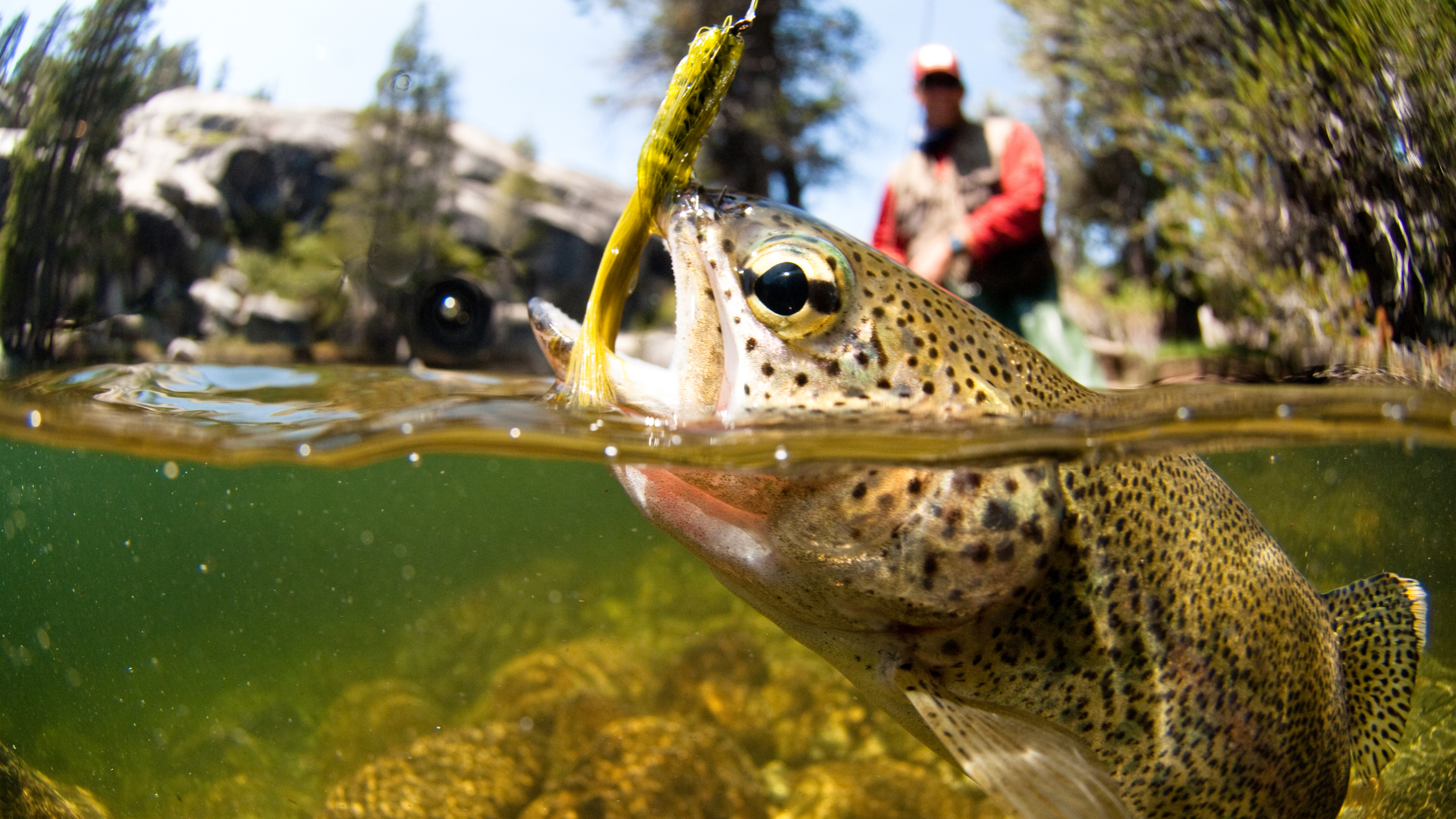
Clear Lake stands as California’s premier natural warm-water fishery, combining exceptional bass and catfish populations with extensive shoreline access and full-service amenities. This ancient lake has supported fishing communities for thousands of years, and today represents one of the West Coast’s most productive and accessible angling destinations.
Clear Lake is now recognized as one of the best largemouth bass and catfish lakes in the West. It’s also exceptional because it’s a large, natural body of nutrient-rich warm water. And Clear Lake CA has great on-shore facilities including camping, resorts, marinas, restaurants, towns, and much more. It bills itself as the " Bass Capital of the West " and it hosts scores of major black bass tournaments.
The lake’s reputation extends far beyond California, drawing professional tournament anglers and recreational fishermen from across North America. Clear Lake’s consistent production of trophy-class bass has cemented its status as a bucket-list destination for serious largemouth enthusiasts.
Clear Lake CA produces many large bucketmouth for several reasons. It all starts with a rich food chain, from zooplankton on up to native minnows, threadfin shad and crayfish. These all make big meals for always hungry bass. Furthermore, Clear Lake is a natural body of water and therefore not subject to fluctuations in water level like dammed reservoirs.
The lake’s natural origins provide stable spawning habitat and consistent depth contours that bass use for seasonal migrations. Unlike reservoirs that experience dramatic drawdowns, Clear Lake maintains relatively consistent water levels that protect juvenile fish and preserve critical structure.
This provides stable spawning grounds for largemouths and abundant cover along the shorelines. Shallowness is another almost unique Clear Lake asset. Most Northern California reservoirs are in deep, cold canyons. Largemouth bass (and catfish) like warm water, and that’s what Clear Lake provides.
Average depths of just 27 feet and maximum depths around 60 feet allow sunlight to penetrate throughout much of the water column. This solar energy drives photosynthesis in aquatic vegetation, creating the oxygen-rich environment and abundant forage that supports massive bass populations.
The lake’s volcanic origins contribute mineral-rich waters that promote exceptional fertility and biological productivity. Nutrient loading from natural sources and agricultural runoff has historically enhanced growth rates, though modern management balances fertility with water quality concerns.
Anglers catch more bass and bigger bass at Clear Lake CA than any other lake in the West. Average largemouths run anywhere from 3 to 5 pounds, and monsters up to 10 pounds are caught frequently. Commercial carp operators at Clear Lake have netted and released bass in the 16 to 17 pound range.
Double-digit bass remain realistic possibilities throughout the season, with spring pre-spawn and fall turnover periods producing the heaviest fish. The lake’s reputation for quantity and quality draws anglers willing to invest time learning its patterns and productive zones.
Spring fishing peaks from February through May as largemouth bass stage for spawning in shallow water around tule beds, docks, and rocky points. Water temperatures climbing through the 50s and into the 60s trigger aggressive feeding as bass prepare for reproduction.
Target depths of 5 to 15 feet during pre-spawn with lipless crankbaits, jigs, and suspending jerkbaits. Bass concentrate in predictable staging areas near spawning flats, making them vulnerable to anglers who locate these transition zones.
Spawning typically occurs from March through May depending on weather patterns and water temperature. Sight fishing for bedding bass becomes productive in clear, shallow bays where nesting fish are visible from the surface or with polarized glasses.
Summer patterns shift as bass move to deeper structure including offshore humps, ledges, and submerged vegetation. Morning and evening topwater bites provide explosive action, while midday fishing requires working deeper with Carolina rigs, drop shots, and deep-diving crankbaits.
Water temperatures exceeding 75 degrees push bass to seek cooler water near springs, creek channels, and areas with current. Early morning and late evening bites intensify as fish move shallow to feed under lower light conditions.
Fall turnover triggers another aggressive feeding period as cooling water temperatures allow bass to roam freely and feed heavily before winter. This period from September through November produces some of the year’s heaviest bass as they build reserves for lean winter months.
Winter fishing slows but remains productive for patient anglers willing to work presentations slowly in deeper water. Bass concentrate in predictable wintering holes where they feed sporadically on slow-moving baits like jigs and suspending jerkbaits.
The north end of the lake around Lakeport and Nice offers extensive tule beds, docks, and shallow flats ideal for spring and fall fishing. This area warms quickly in spring and provides protected spawning habitat for large concentrations of bass.
Rattlesnake Island and the surrounding flats produce consistent action throughout the year with a mix of shallow and deep water adjacent to each other. Bass use this structure for both feeding and resting, making it a reliable location regardless of season.
The Clear Lake State Park area provides shore fishing access and shallow water structure including submerged trees, rocky points, and weed beds. This public access area receives heavy pressure but continues producing due to excellent habitat quality.
Clearlake Oaks on the northeast shore offers productive fishing around residential docks and natural tule stands. Early morning dock fishing with topwater baits can be spectacular during summer months.
The islands scattered throughout the lake create current breaks, depth changes, and structure that concentrate bass. Rock piles and submerged humps near these islands hold fish year-round and deserve thorough coverage.
Southern portions of the lake around Clearlake and Lower Lake feature deeper water and submerged creek channels. These areas shine during summer and winter when bass seek temperature refuges away from extreme shallows.
Flipping and pitching jigs into thick tule beds accounts for many of Clear Lake’s biggest bass. Use heavy line testing 20 to 25 pounds and stout rods capable of winching fish from dense vegetation.
Swimbaits in the 4 to 8 inch range imitate the abundant shad and minnows that bass feed on heavily. Slow-rolling these baits along depth transitions and through submerged vegetation produces strikes from trophy-class fish.
Topwater fishing with frogs, poppers, and walking baits provides exciting visual strikes during low-light periods. Work these lures around tule edges, over submerged grass, and near docks where bass ambush surface prey.
Deep-water techniques including drop-shotting, Carolina rigging, and jigging become essential during summer when bass suspend or hold on offshore structure. Electronics help locate these fish and monitor structure precisely.
Crankbaits covering various depth ranges allow efficient water coverage and trigger reaction strikes from active bass. Match lure diving depth to fish location, keeping baits in the strike zone throughout the retrieve.
Wacky-rigged stick baits excel for finesse situations when bass show reluctance to hit aggressive presentations. This subtle technique works in clear water and around highly pressured areas.
Clear Lake’s catfish population rivals its bass fishery in both size and abundance. Channel catfish, white catfish, and brown bullheads provide year-round action for anglers using natural baits.
Night fishing from docks, piers, and anchored boats produces the best catfish action. Use chicken liver, cut mackerel, nightcrawlers, and prepared baits on bottom rigs in 15 to 30 feet of water.
Catfish exceeding 10 pounds occur regularly, with occasional specimens topping 20 pounds. These powerful fish provide serious battles on appropriate tackle and fight harder than many anglers expect.
Summer represents peak catfish activity as warm water temperatures increase metabolism and feeding. Target areas near creek mouths, springs, and structure that provides cover during daylight hours.
Clear Lake State Park offers developed camping with 147 sites including RV hookups, restrooms, showers, and a boat launch. Reservations are recommended during peak season from April through October.
Private resorts and campgrounds circle the lake, providing options from primitive tent sites to full-service RV parks with amenities. Many facilities offer boat rentals, fishing guide services, and tackle shops.
Lakeport, Clearlake, and surrounding communities provide restaurants, grocery stores, hotels, and all services needed for extended stays. This infrastructure makes Clear Lake accessible and comfortable compared to more remote fisheries.
Multiple public boat launches provide free or low-cost lake access at various locations. Concrete ramps accommodate boats of all sizes, though shallow areas require navigation care during low water periods.
Shore fishing access exists at parks, public piers, and various points around the lake. Bank anglers catch bass, catfish, and panfish without needing boats, making the fishery accessible to all.
California Department of Fish and Wildlife manages Clear Lake under standard statewide bass regulations with a 5-fish limit and 12-inch minimum size. Always verify current regulations before fishing as rules change periodically.
Catch-and-release practices help maintain trophy bass populations and ensure quality fishing continues. Consider releasing larger spawning-class females that contribute most heavily to recruitment.
Invasive species including hydrilla and quagga mussels threaten Clear Lake’s ecosystem. Clean boats, trailers, and equipment thoroughly before moving between water bodies to prevent spreading aquatic invaders.
Water quality concerns including algae blooms and nutrient pollution require ongoing management. Anglers can support conservation by properly disposing of trash, avoiding fish feeding, and reporting pollution incidents.
Supporting local fishing regulations, habitat restoration projects, and conservation organizations helps protect this valuable resource. Clear Lake’s future depends on balancing fishing pressure, development, and ecosystem health.
Spring and fall offer the most comfortable weather and productive fishing, with temperatures moderate and bass activity high. Summer brings crowds and heat but excellent fishing for anglers willing to adjust timing and techniques.
Book accommodations well in advance for spring bass season and major tournament weekends when lodging fills quickly. Off-season visits provide solitude and lower costs while still offering quality fishing opportunities.
Hire a local guide for your first visit to compress the learning curve and maximize success. Experienced guides know current patterns, productive locations, and effective techniques for prevailing conditions.
Bring tackle covering multiple techniques from topwater to deep presentations. Clear Lake’s diverse structure and seasonal patterns require versatility in approach and lure selection.
Electronics including quality fish finders and GPS units dramatically increase efficiency and success. Mark productive waypoints and study lake maps to identify structure worth exploring.
Post: Clear Lake CA Camping
Tackle shops around Clear Lake provide current fishing reports, lure recommendations, and insider knowledge about recent patterns. Building relationships with local shop owners pays dividends in information and advice.
Online forums and social media groups dedicated to Clear Lake fishing offer community knowledge and real-time reports. Cross-reference information from multiple sources to identify consistent patterns.
YouTube fishing channels featuring Clear Lake content demonstrate effective techniques and showcase productive areas. Visual learning accelerates skill development and pattern recognition.
Tournament results posted online reveal successful techniques, lure choices, and productive zones. Professional anglers competing on Clear Lake employ cutting-edge tactics worth studying and adapting.
Weather monitoring helps predict fishing conditions and bass behavior. Wind direction, barometric pressure, and temperature trends all influence where and how bass position and feed.
The combination of excellent fishing, comfortable amenities, and scenic beauty makes Clear Lake an ideal destination for anglers of all skill levels. Whether targeting trophy bass or enjoying family-friendly catfish action, this remarkable lake delivers memorable experiences season after season.
Planning a multi-lake trip or exploring more Northern California fishing? Check out these resources:

Welcome to The Fishing Advice – your complete fishing guide for beginners and seasoned anglers alike.
The Fishing Advice is your no-nonsense, fishing news and information website. We deliver the definitive fishing material straight from the experts.
Contact us: contact@thefishingadvice.com